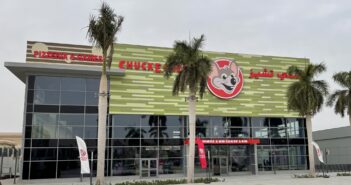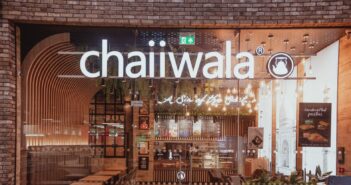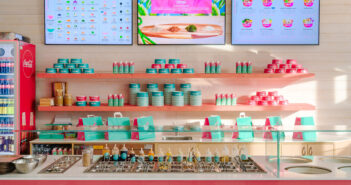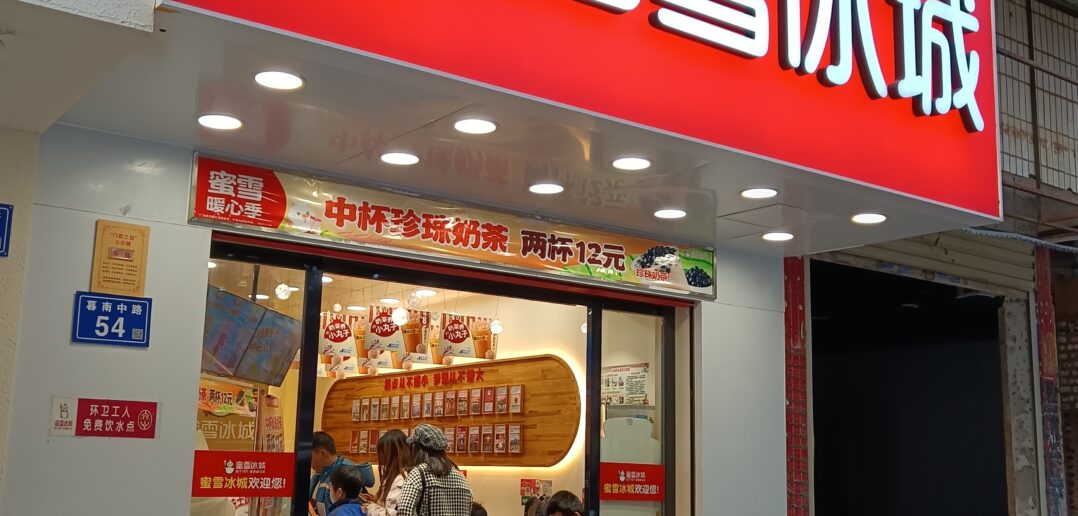
For decades, the global fast-food industry has been defined by familiar American names. McDonald’s, Starbucks, Subway and KFC have driven everything from franchising to real estate strategy, while their golden arches, green sirens and red buckets have become symbols of globalisation.
Today, however, the world’s largest foodservice chain by number of outlets is Mixue Bingcheng, the Chinese bubble tea, coffee and soft-serve ice cream chain that has grown into a global empire with more than 53,000 stores, overtaking both McDonald’s and Starbucks in store unit count.
For many consumers outside Asia, the brand remains virtually unknown. Founded in 1997 in Zhengzhou by university student Zhang Hongchao, Mixue began as a modest shaved-ice business financed with just a few hundred euros borrowed from family. Early setbacks nearly ended the venture, but Zhang eventually found success selling inexpensive ice cream to students before expanding into fruit drinks, bubble tea and coffee.
Mixue has built its strategy around relentless affordability. Signature soft-serve ice cream often sells for around €1, while drinks typically cost just a few euros.
Its cheerful Snow King mascot, viral in China and increasingly recognisable across south-east Asia, has become as pivotal to the brand as Ronald McDonald once was to McDonald’s. Social media, catchy jingles and low prices have created wide consumer awareness among younger customers but the real engine behind Mixue’s expansion is its operating model.
Mixue functions as a franchise and supply-chain business, with most of its locations franchised, while the company generates revenue by supplying franchisees with ingredients, equipment and packaging through an integrated logistics network.
Average sales per Mixue outlet remain a fraction of those achieved by McDonald’s or Starbucks, yet investors have embraced the strategy. Mixue’s Hong Kong IPO in 2025 was heavily oversubscribed, raising roughly $444 million and sending shares sharply higher on their market debut, although they have fallen away to around half that value since.
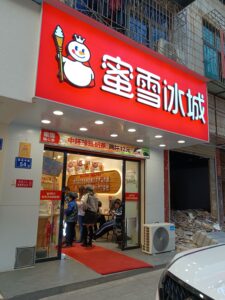
Having established a significant presence across south-east Asia, Mixue has begun entering international markets, opening stores in New York and Los Angeles as it tests whether its value proposition can resonate beyond Asia.
However, it has proven challenging. Three years after entering Japan, Mixue still operates only four stores in the country, far short of its initial target of 1,000 outlets by 2028. The company also made a high-profile entry into Hong Kong in late 2023, opening nine stores in its first year. But it closed a third of its outlets in the first six months of 2026, with its store in Tsim Sha Tsui the latest to close.
Mixue has held a distinct advantage in developing markets because of fragmented local competition, lower operating costs and consumers attracted to low prices. But Hong Kong and Japan have presented more competitive markets, even at the low-price end.
While it closed a net 428 international stores in 2025, many of them older outlets in south-east Asia, it has developed supply chains in the region and is entering new markets such as Kazakhstan.
It has seven logistics warehouses across four south-east Asian countries and hopes to open a factory in Brazil to supply stores in the Americas, having recently opened its first Brazilian store in Sao Paulo. It is also aiming for 500 to 1,000 stores in Brazil by 2030.