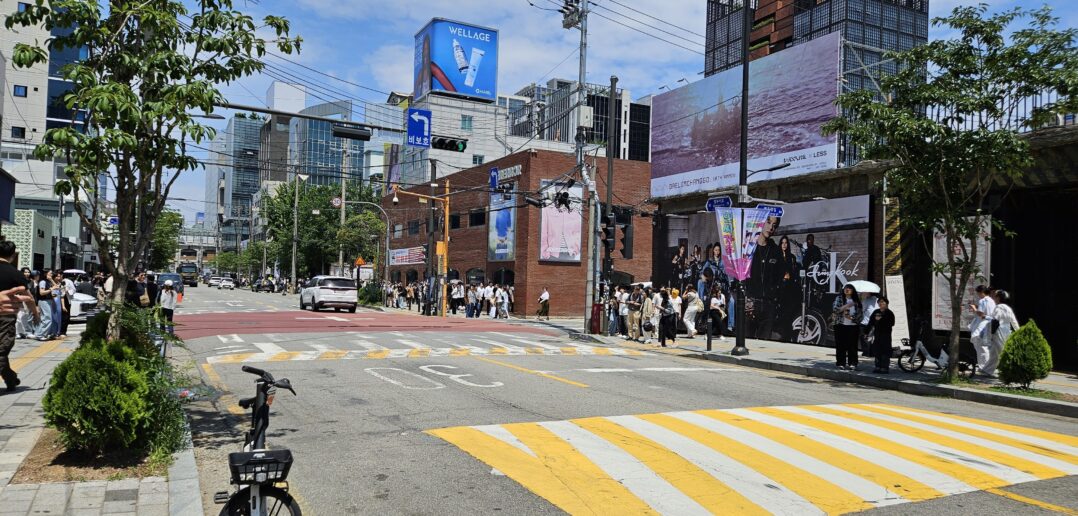
There was a time when Seongsu-dong was known less for fashion than for factories. Located on the eastern side of South Korean capital Seoul, the neighbourhood was once an industrial zone filled with shoe manufacturers, workshops and small-scale production businesses. Today, those same warehouses, brick buildings and industrial streets have become a laboratory for local and international concepts and brands.
In fact, Seongsu-dong has become Seoul’s answer to Brooklyn’s Williamsburg, London’s Shoreditch or Tokyo’s Daikanyama, evolving into a district where culture, design, hospitality and commerce collide. But for retailers around the world Seongsu has also become a testing ground for a new generation of physical retail.
The new Seongsu model is built around attention and that shift goes a long way to explain why some of the world’s biggest companies are competing for space in a neighbourhood which, unlike Seoul’s major shopping districts such as Myeongdong or Gangnam, does not feel like a conventional commercial zone.
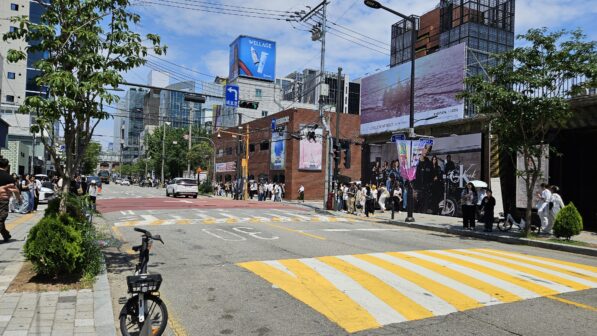
IMAGE CREDIT: Wikimedia Aspere
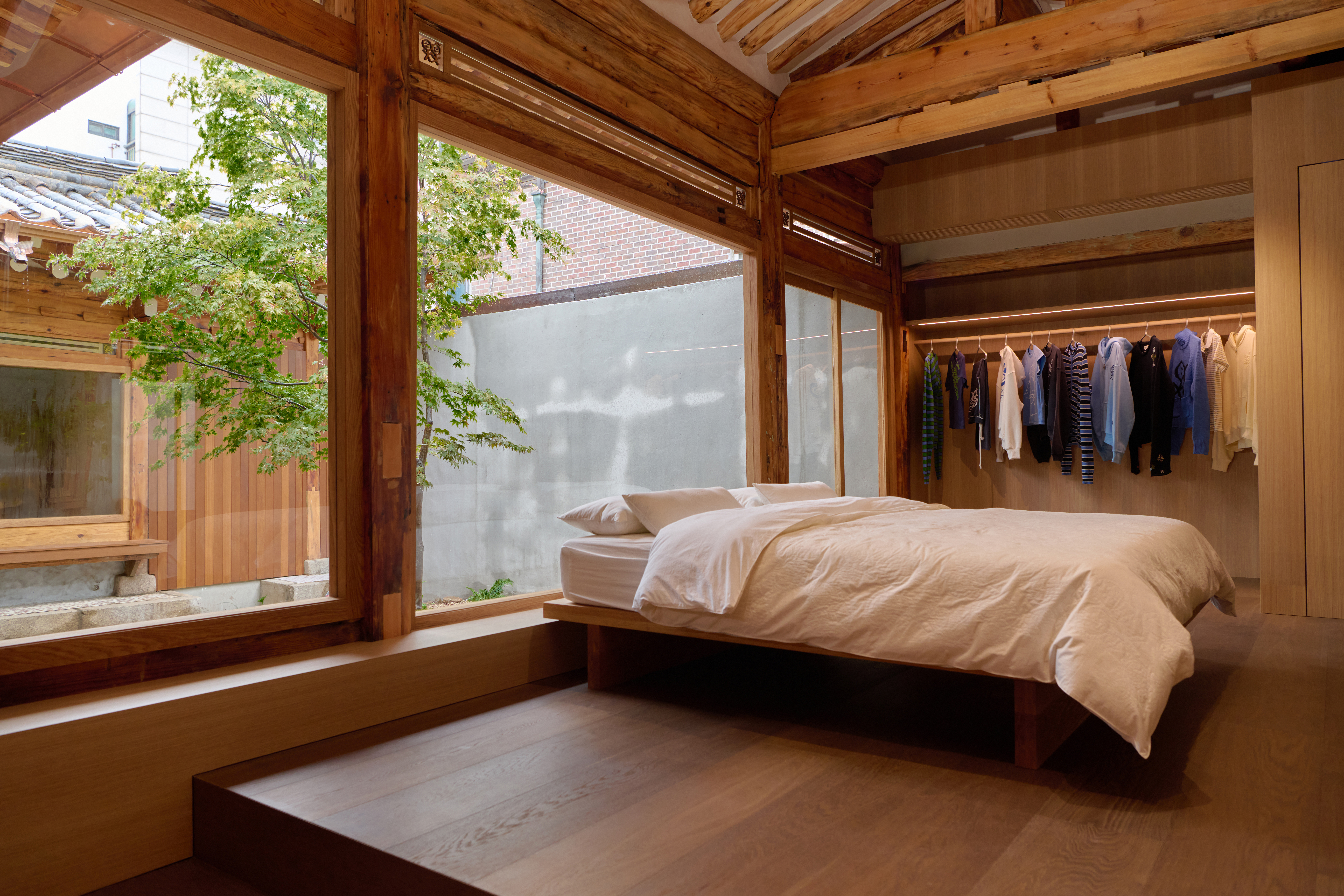
Its narrow streets, old industrial buildings and converted warehouses provide brands with authenticity and retailers have transformed former factories into cafés, galleries, concept stores and pop-up venues.
This has helped create a so-called ‘newtro’ trend, a combination of old and new that has become a defining feature of Korean consumer culture. Rather than demolishing industrial heritage, developers and retailers have repurposed it, turning ageing buildings into premium destinations.
“Seongsu is often described with a range of defining keywords: the number one district in foreign visitor growth and one of the strongest sales growth markets for top global brands,” according to Cushman & Wakefield Associate Director Lina Lee.
“As social media mentions continue to surge, Seongsu has evolved beyond a traditional retail district into a branded lifestyle destination where people can dine, shop, explore, and experience culture. Today, Seongsu is emerging not only as a leading retail hub, but also as one of Seoul’s most desirable places to live, stay, and work,” she added.
Among those active in the neighbourhood, Korean fashion platform Musinsa has expanded its physical presence through Musinsa Standard, Musinsa EMPTY and Square Seongsu. Rather than acting as traditional fashion stores, these spaces continually rotate emerging Korean designers, exclusive capsule collections and immersive exhibitions.
Beauty has been equally prominent. Olive Young N Seongsu, the retailer’s largest flagship, has evolved into an event destination rather than simply a cosmetics store, hosting themed collaborations including a month-long Pokémon activation featuring exclusive merchandise, limited-edition beauty products and interactive photo zones.
Luxury brands are also treating Seongsu as a testing ground. Pop-ups from the likes of Saint Laurent Beauty have joined an established roster that has included Chanel, Nike, Samsung, Gentle Monster and numerous K-pop collaborations.
According to industry analysis, Seoul hosted more than 3,000 pop-up stores during 2025, up nearly 80% year over year, with Seongsu accounting for the highest concentration.