South Korea’s department store model has been a powerhouse of the Asian country’s retail in a way perhaps not seen anywhere else to quite the same degree.
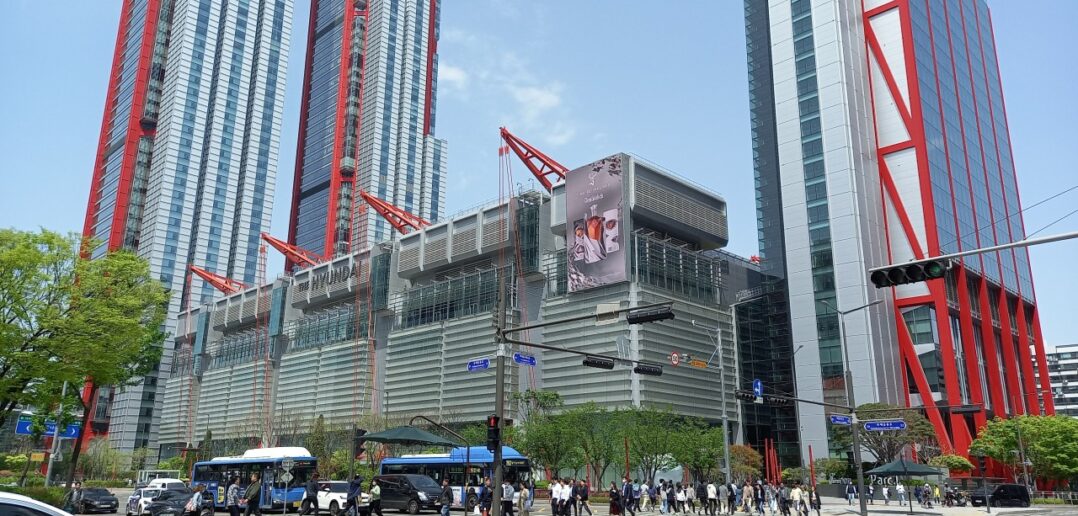
However, this is being rewritten in real time, and at the centre of that transformation is Hyundai Department Store, a flagship space in Seoul that is evolving from operating traditional retail floors into immersive, experience-led destinations designed to capture a new generation of shoppers while capitalising on a surge in international tourism.
Once defined by luxury concessions and steady domestic demand, the shift reflects a broader challenge facing Korea’s major department store chains, where sluggish local consumption has forced operators to rethink how and why customers visit physical stores.
A key pillar of this strategy is the rise of highly curated pop-up environments. At The Hyundai Seoul alone, hundreds of temporary retail activations are staged each year, with these installations ranging from fashion and character collaborations to digital exhibitions and themed cultural events, all designed to create urgency and repeat footfall among younger consumers.
More than 70% of customers who attend these events go on to purchase additional items elsewhere in the store, according to the retailer, underscoring the role of experience as a driver of broader retail sales.
Among the most striking developments is The Hyundai’s pivot into premium alcohol as both product and theatre. Limited-edition whisky releases and themed spirits events have become headline attractions, with rare bottles selling out in minutes and queues forming before opening. These activations, often tied to storytelling or celebrity collaborations, are expected to generate billions of won in annual sales while simultaneously reshaping the store’s image from formal retail space to social destination.
This emphasis on sensory engagement extends across the store environment. From virtual idol exhibitions and large-scale installations to interactive media experiences, Hyundai has layered entertainment into every level of the retail journey. The approach reflects the expectations of Korea’s so-called MZ generation: Millennials and Gen Z consumers who prioritise novelty, shareability and cultural relevance over traditional notions of luxury.
In March, The Hyundai Popup Festa was officially announced, with more than 170 pop-up stores reflecting the tastes of a wide range of customers, including the ‘2030 generation’ and foreign visitors. Experiential K-culture content for global customers has also been strengthened.
This reflects the fact that international shoppers are emerging as a critical growth engine. With tourist numbers rebounding, at least prior to the conflict in Iran, foreign visitors are increasingly filling the gap left by cautious domestic spending, particularly in flagship locations. Retailers are responding by launching pop-ups in high-traffic tourist areas such as Busan’s Gwangalli and Gyeongju’s Hwangnidan-gil, often incorporating globally recognised characters and seasonal themes to appeal to overseas audiences.
Hyundai Department Store has also announced that it will integrate its official online mall, The Hyundai.com, and its food-specialty online platform, Hyundai Food Hall To Home, launching a premium curation offer called The Hyundai Hi. This platform debuted on 6 April and features specialised sections in a shop-in-shop structure.
Photo credit: Wikimedia Kallerna